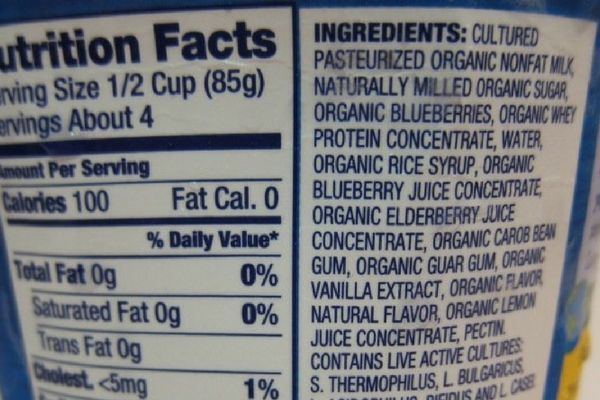
40 yogurt ingredients label
Is Yogurt Good for You? – Cleveland Clinic Nov 9, 2020 · As far as nutrients go, yogurt has a lot going for it. It’s full of: Protein: Greek yogurt has about twice as much protein as traditional yogurt. Calcium: You need calcium for strong bones and teeth. Your muscles and nerves also rely on this mineral to function properly. Probiotics: These beneficial bacteria are important for your health. Yogurt: Types, health benefits, and risks - Medical News Today Jan 11, 2018 · Yogurt is a dairy product made by fermenting milk with a yogurt culture. It provides protein and calcium, and it may enhance healthy gut bacteria. Health benefits range from protecting against...
Health Benefits of Yogurt: Nutrition, Protein, and Probiotics Apr 6, 2022 · Yogurt is a popular dairy productmade by the bacterial fermentation of milk. The bacteria used to make yogurt are called “yogurt cultures,” which ferment lactose, the natural sugar found in...
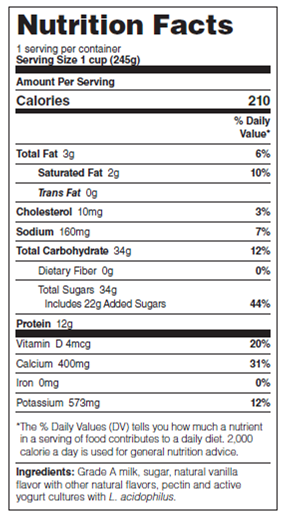
Yogurt ingredients label
Yogurt | Definition, Production, & Uses | Britannica Jan 12, 2023 · yogurt, also spelled yoghurt, yourt, or yoghourt, semifluid fermented milk food having a smooth texture and mildly sour flavour because of its lactic acid content. Yogurt may be made from the milk of cows, sheep, goats, or water buffalo. Yogurt - Wikipedia Yogurt is a food produced by bacterial fermentation of milk. The bacteria used to make yogurt are known as yogurt cultures. Fermentation of sugars in the milk by these bacteria produces lactic acid, which acts on milk protein to give yogurt its texture and characteristic tart flavor. Cow's milk is the milk most commonly used to make yogurt. Milk from water buffalo, goats, ewes, mares, … Yogurt 101: Nutrition Facts and Health Benefits Mar 12, 2019 · Yogurt is one of the most popular fermented dairy products in the world, made by adding live bacteria to milk. It has been eaten for thousands of years and is frequently used as part of a meal or...
Yogurt ingredients label. Yogurt Nutrition Facts and Health Benefits - Verywell Fit May 8, 2022 · Yogurt is also a good way to boost your calcium intake, especially if you are a non-milk drinker. Calcium helps to lower blood pressure, lower cholesterol, and famously, helps maintain strong bones. 5 The National Institutes of Health recommends adults consume at least 1,000mg calcium per day. 6. Yogurt | The Nutrition Source | Harvard T.H. Chan School of … Yogurt is a staple food in several cultures, originating from countries in Western Asia and the Middle East. The word yogurt is believed to be derived from the Turkish word “yoğurmak,” which means to thicken, coagulate, or curdle. [1] Historical accounts describe nomadic herdsmen carrying milk in pouches made of animal skins. How to Make Yogurt - Allrecipes Jan 29, 2021 · Make yogurt even easier by using your Instant Pot. Add the milk to a very clean insert. Push the "Yogurt" button and adjust until the screen says "Boil." Close the lid and heat until the milk reaches 180 degrees F, about 1 hour. How to Make Yogurt (with Pictures) - wikiHow May 15, 2022 · 2 tablespoons existing yogurt with live cultures (or you can use freeze-dried bacteria instead) Part 1 Mixing the Milk and Starter 1 Heat the milk to 185ºF (85ºC). Using two large pots that fit inside one another, create a double boiler. This will prevent your milk from burning, and you should only have to stir it occasionally.
Yogurt Benefits, Health & Nutrition Facts, & More - WebMD Mar 7, 2007 · Benefit No. 1: Yogurt May Help Prevent Osteoporosis ''Adequate nutrition plays a major role in the prevention and treatment of osteoporosis, and the micronutrients of greatest importance are... Yogurt 101: Nutrition Facts and Health Benefits Mar 12, 2019 · Yogurt is one of the most popular fermented dairy products in the world, made by adding live bacteria to milk. It has been eaten for thousands of years and is frequently used as part of a meal or... Yogurt - Wikipedia Yogurt is a food produced by bacterial fermentation of milk. The bacteria used to make yogurt are known as yogurt cultures. Fermentation of sugars in the milk by these bacteria produces lactic acid, which acts on milk protein to give yogurt its texture and characteristic tart flavor. Cow's milk is the milk most commonly used to make yogurt. Milk from water buffalo, goats, ewes, mares, … Yogurt | Definition, Production, & Uses | Britannica Jan 12, 2023 · yogurt, also spelled yoghurt, yourt, or yoghourt, semifluid fermented milk food having a smooth texture and mildly sour flavour because of its lactic acid content. Yogurt may be made from the milk of cows, sheep, goats, or water buffalo.
Solved: Use the following yogurt food package label ...

List of ingredients used in the formulation of yogurts ...

Lowfat Plain Greek Yogurt

How to Select a Yogurt | Tucson Bariatric
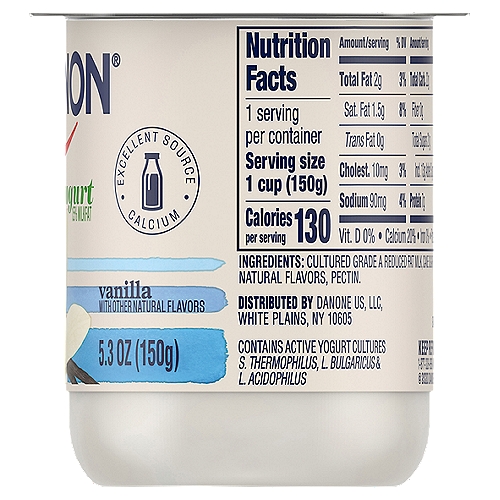
Dannon Vanilla, Lowfat Yogurt

Nutritional Labels | Bellwether Farms
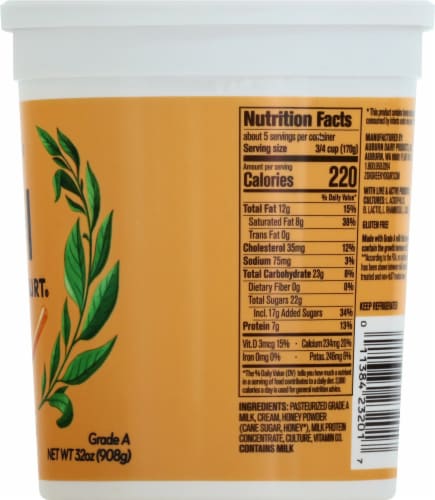
Zoi Honey Greek Yogurt, 32 oz
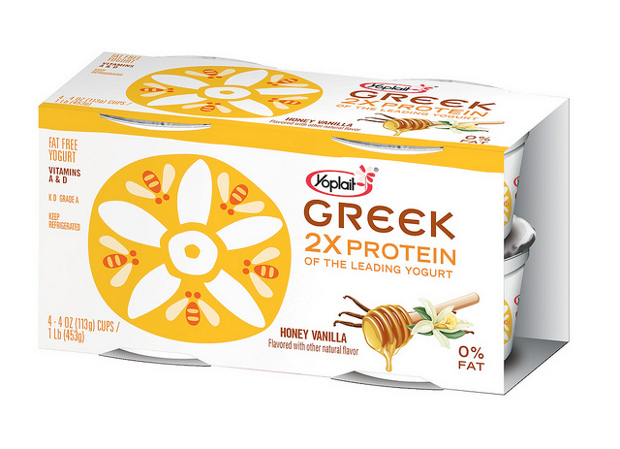
Decoding Labels: Yoplait Greek Yogurt | Food Renegade
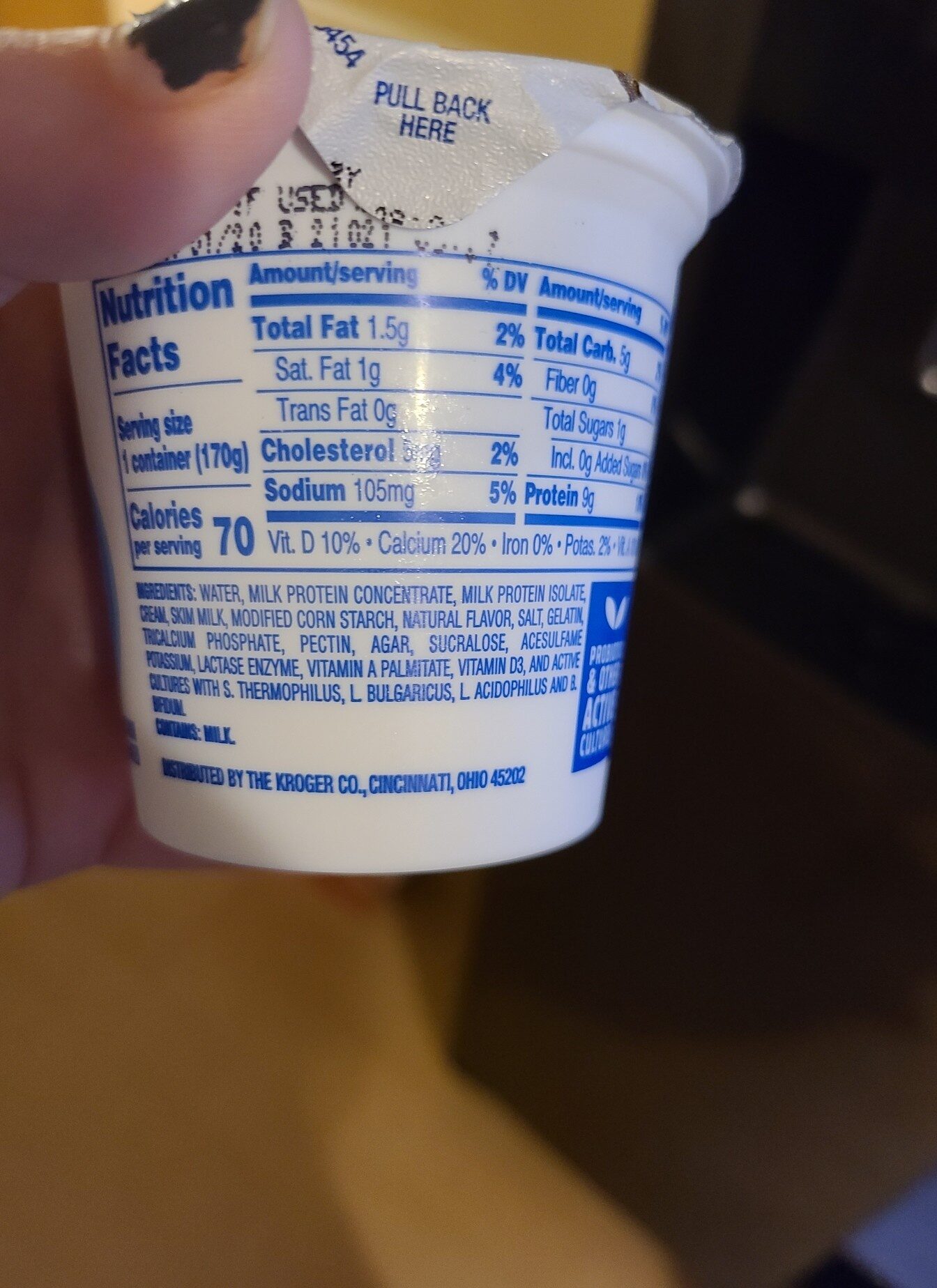
carbmaster vanilla yogurt - Kroger
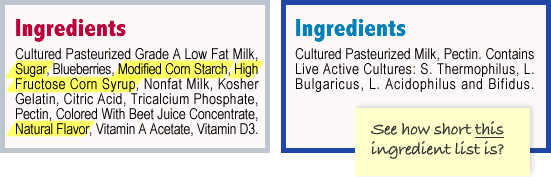
Lesson 2: How to Read Food Labels — Cooking God's Way
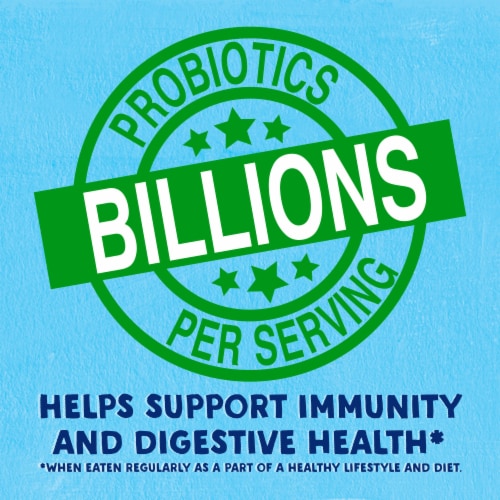
Stonyfield® Organic Vanilla Probiotic Whole Milk Yogurt, 32 ...
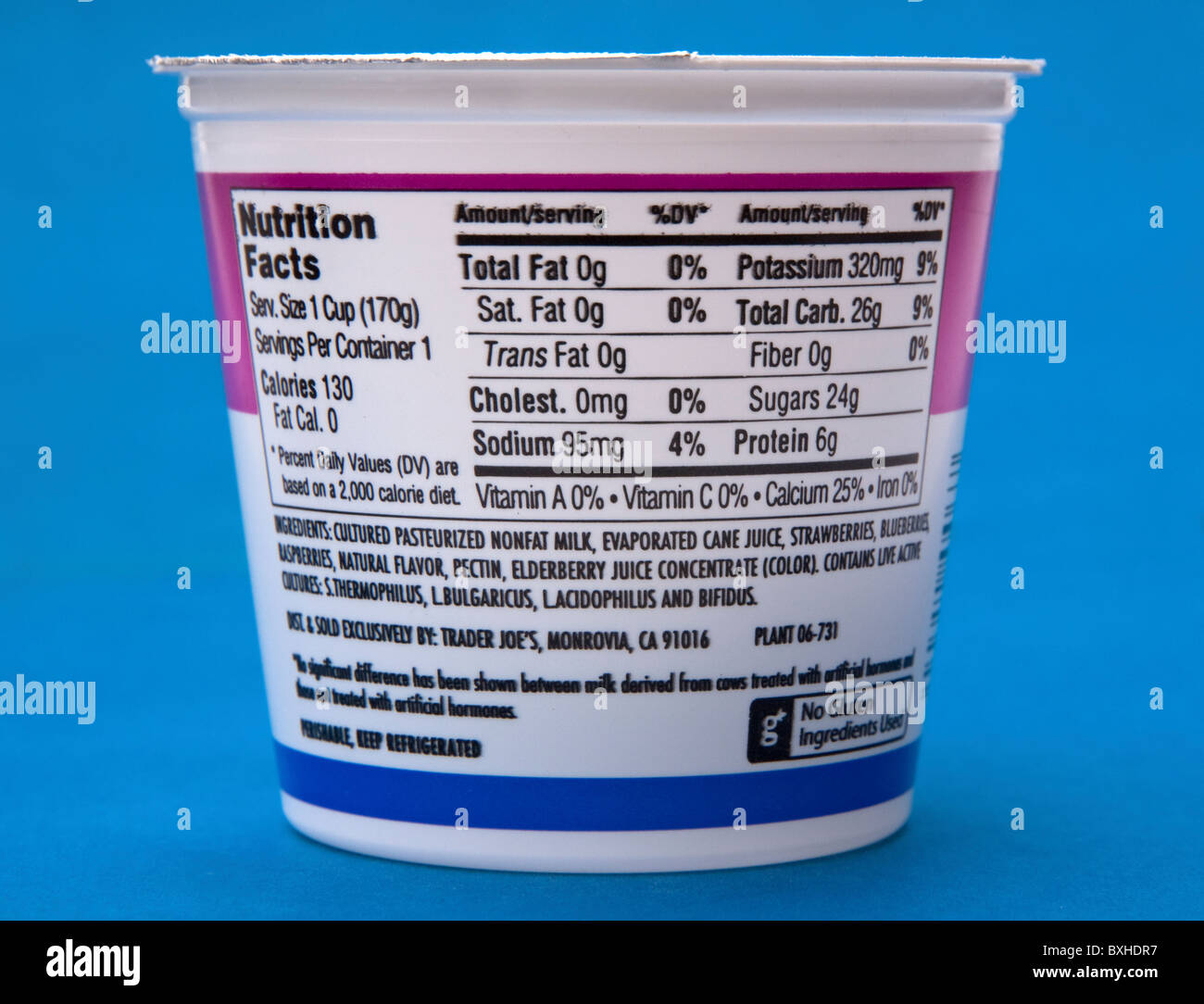
Ingredients label yogurt hi-res stock photography and images ...
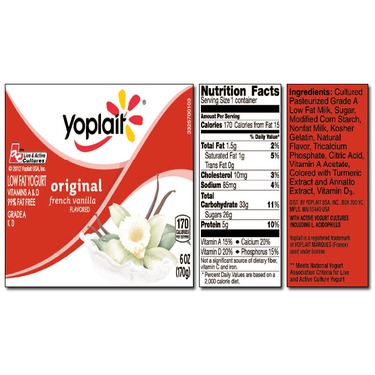
Yoplait Original FRENCH VANILLA Yogurt reviews in Yogurt ...

Food Label - Nutrition P7 C.Gonzalez

Chobani® Non-Fat Blueberry on the Bottom Greek Yogurt, 5.3 oz
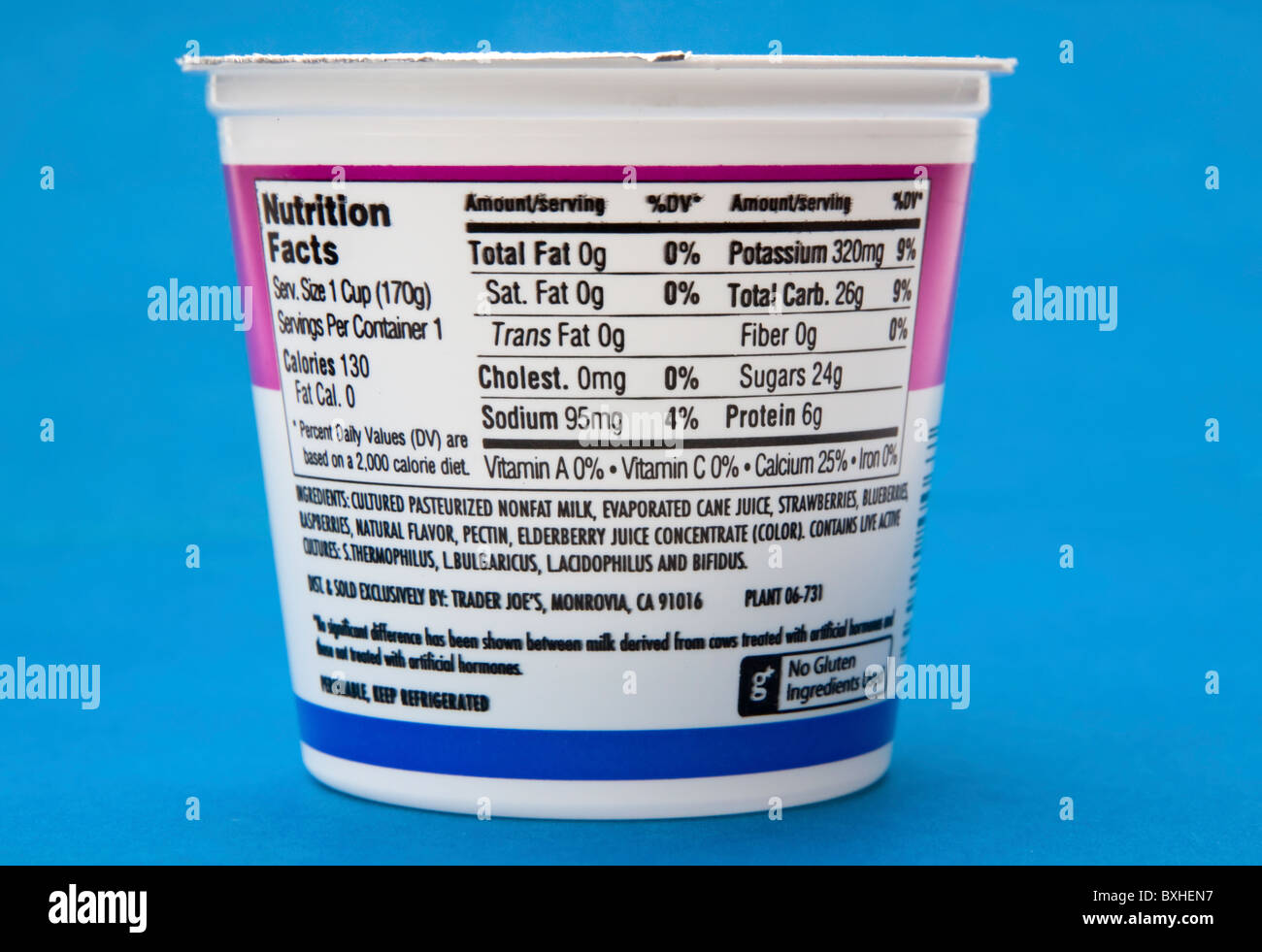
Ingredients label yogurt hi-res stock photography and images ...
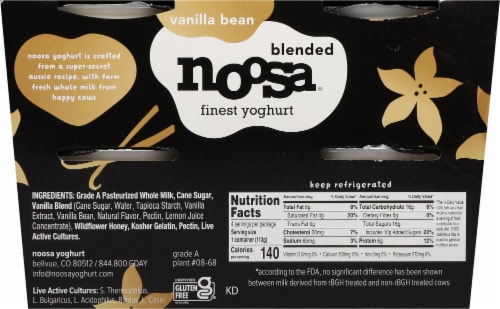
Noosa® Vanilla Bean Yogurt, 16 oz - Metro Market

Arla Foods Ingredients launches clean-label ambient yogurt ...

Plain Coconut Yogurt, 24 oz at Whole Foods Market

Almarai Fresh Yogurt Low Fat
Nutrition Facts
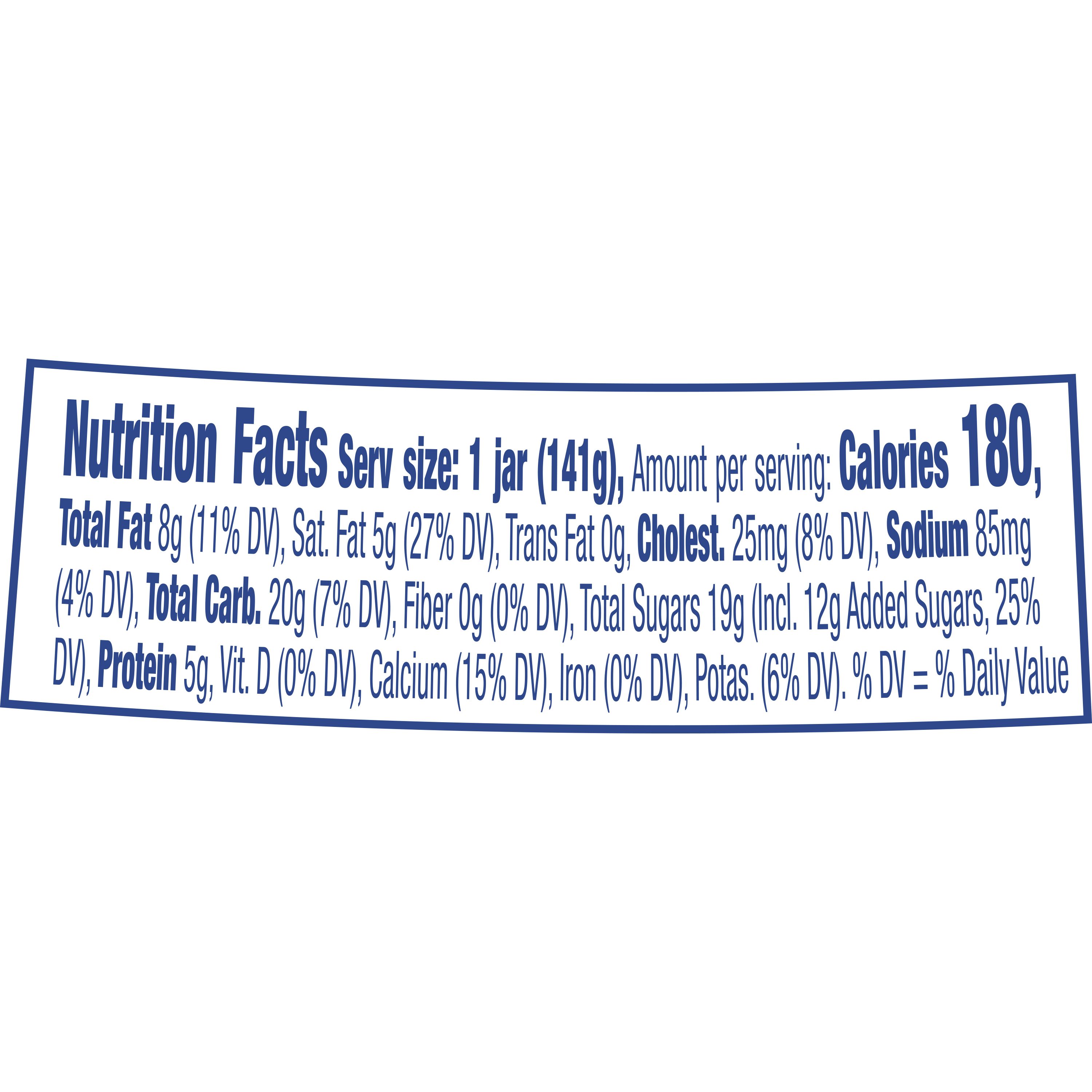
Vanilla French Style Yogurt - Flavors - Oui by Yoplait
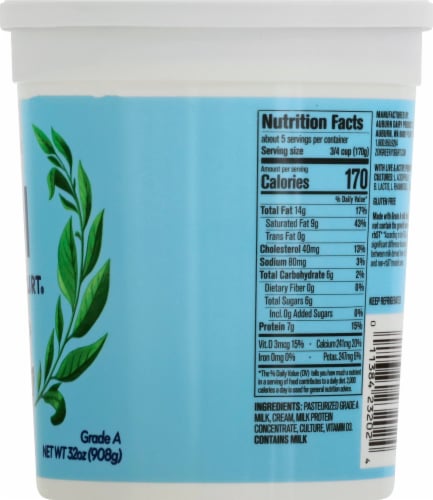
Zoi Plain Greek Yogurt, 32 oz - QFC
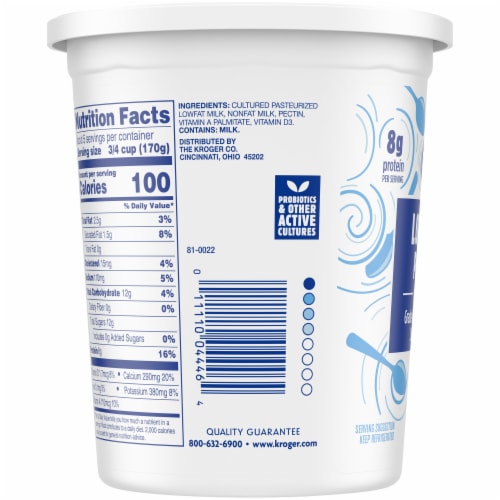
Kroger® Lowfat Plain Yogurt, 32 oz - Baker's

Prema Yogurt 400g – TAYYIB
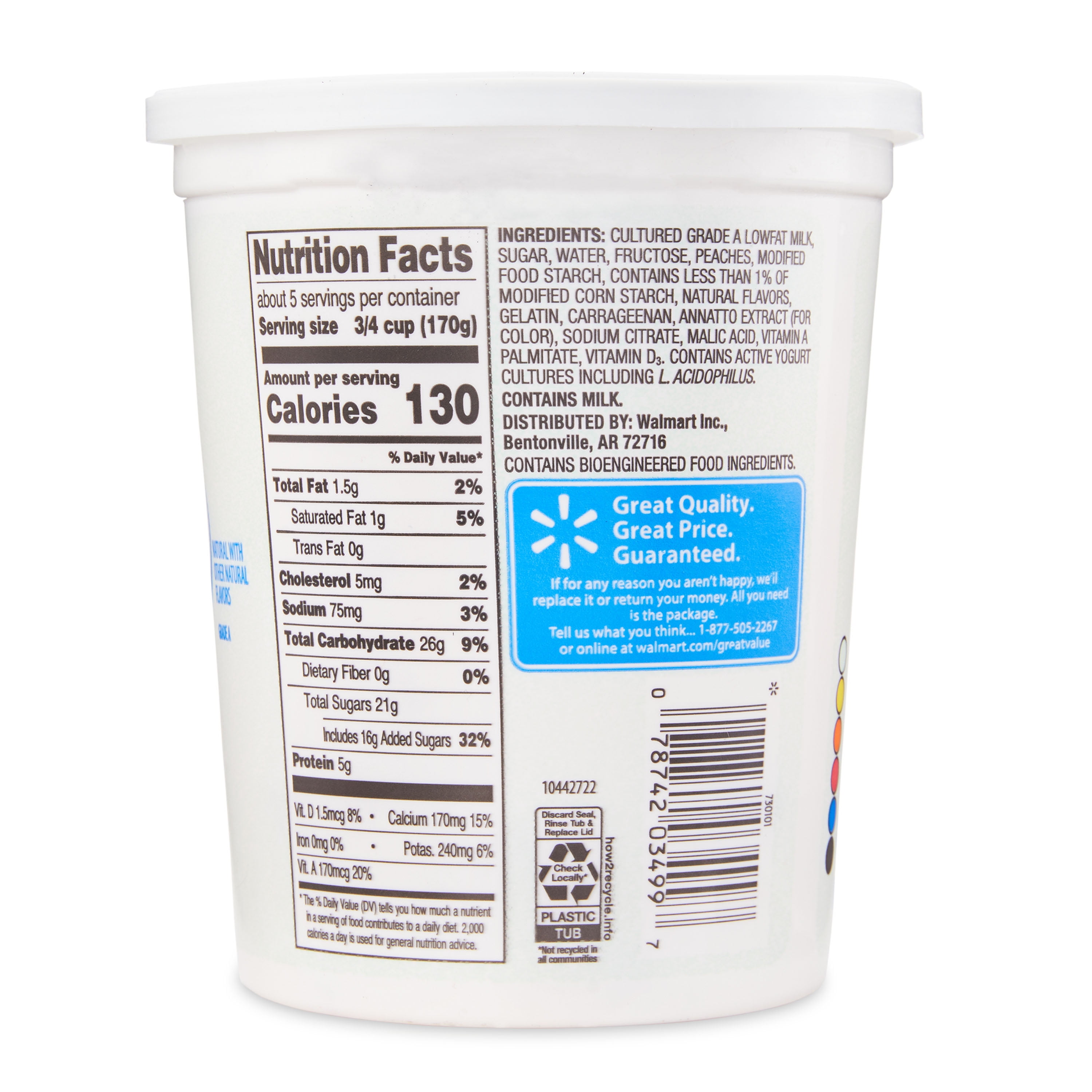
Great Value Original Peach Lowfat Yogurt, 32 oz
RANKED: the Yogurts With the Least Sugar
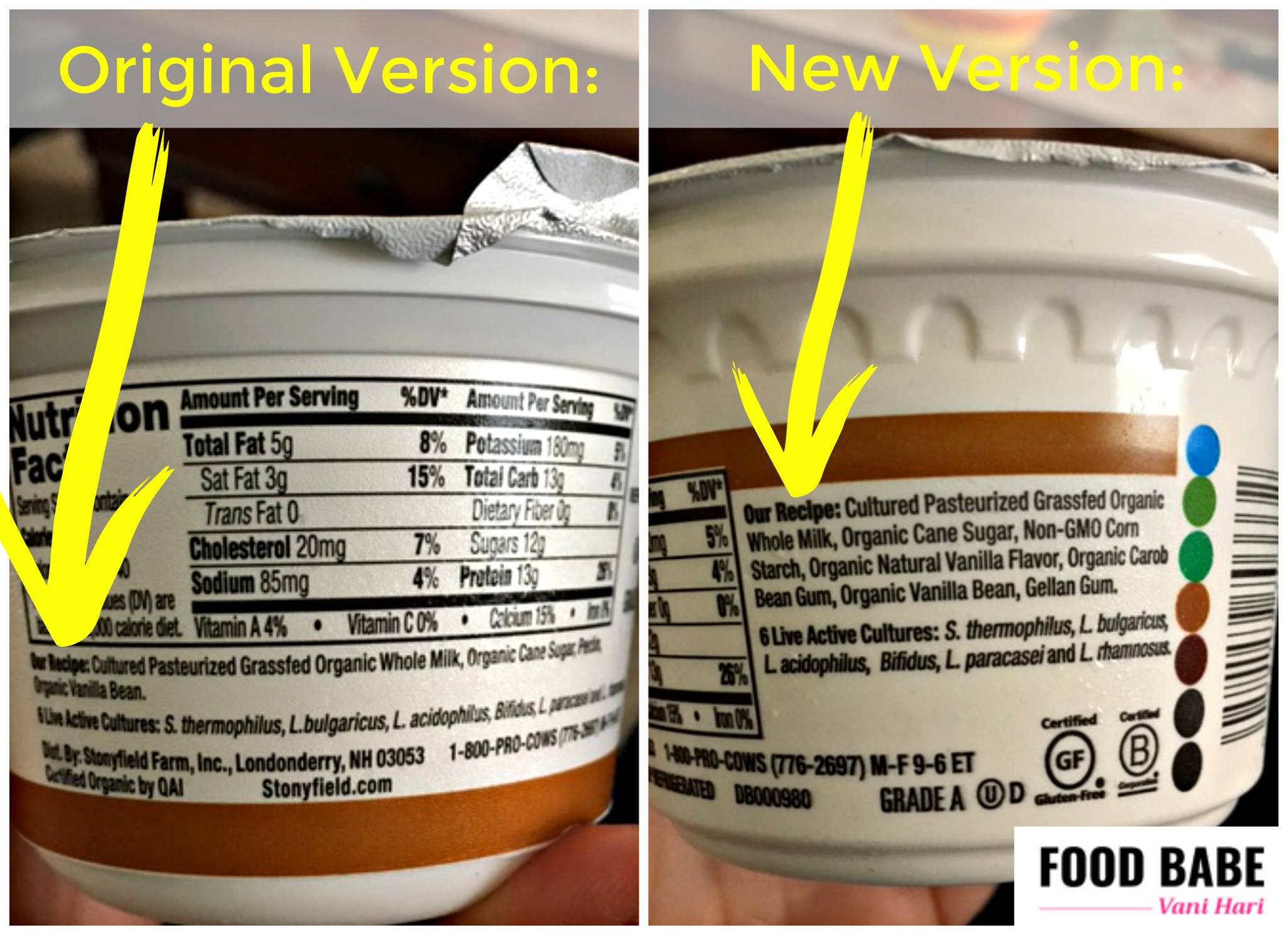
Food Babe - Do you eat Stonyfield yogurt? A member of the ...

Oreo Cookies YoCrunch Yogurt | Oreo Cookies YoCrunch Yogurt ...
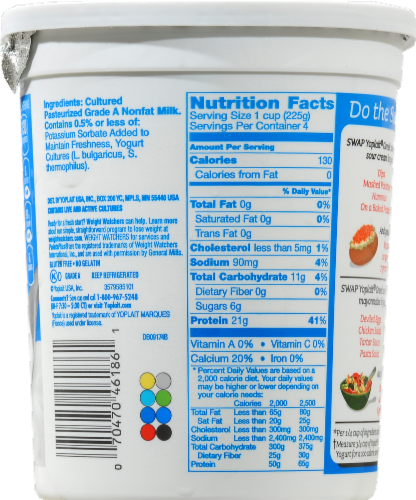
Yoplait 100-Calorie Plain Greek Yogurt, 32 Oz - Kroger
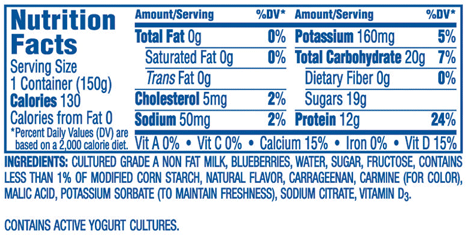
What's in your Greek Yogurt? - Eat Well With Gina
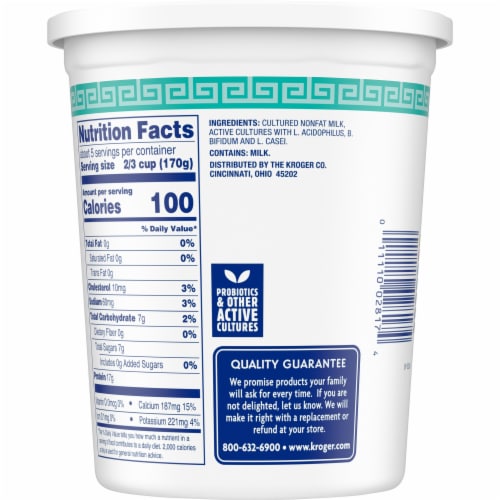
Kroger® Greek Plain Nonfat Yogurt, 32 oz - Kroger
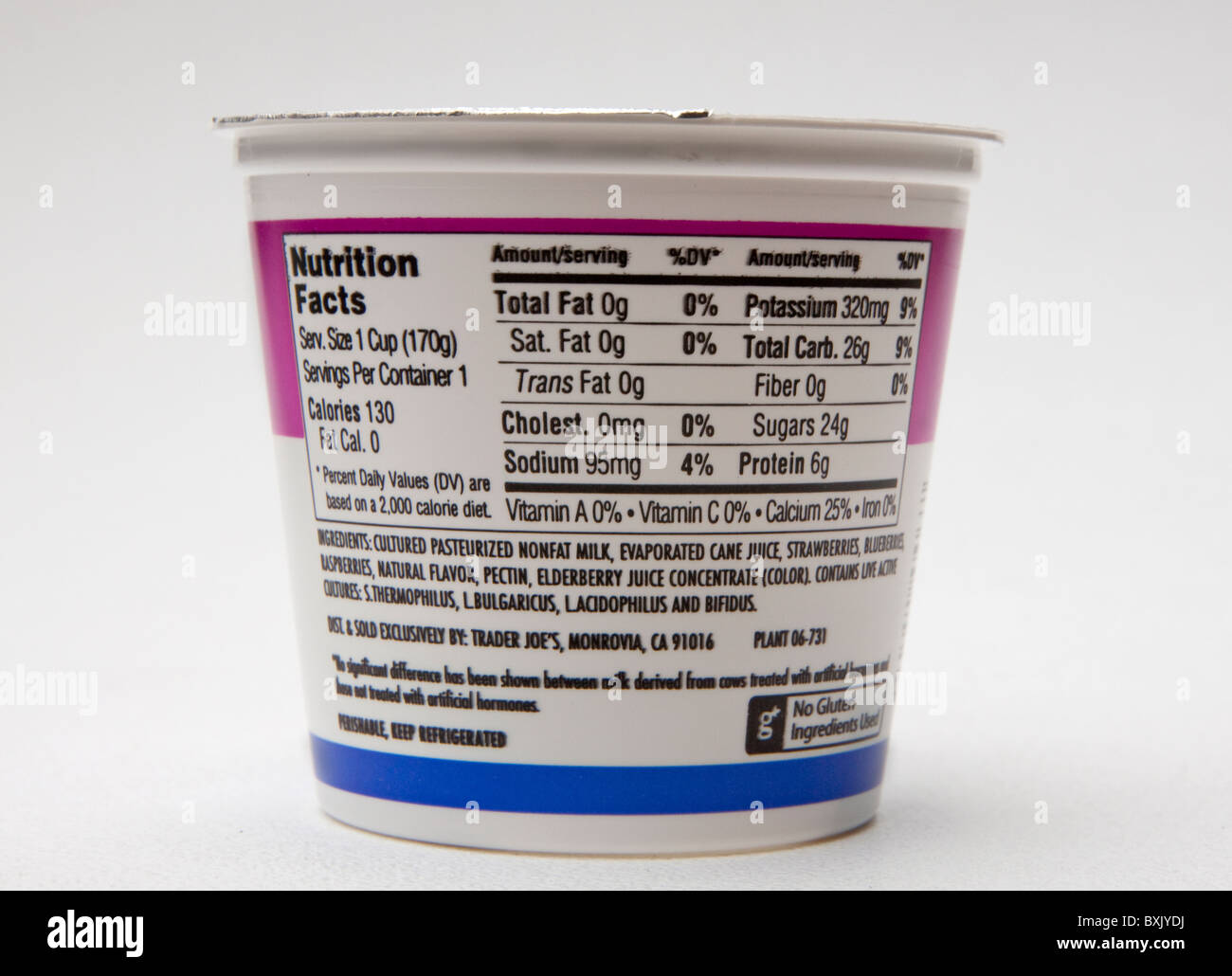
Ingredients label yogurt hi-res stock photography and images ...
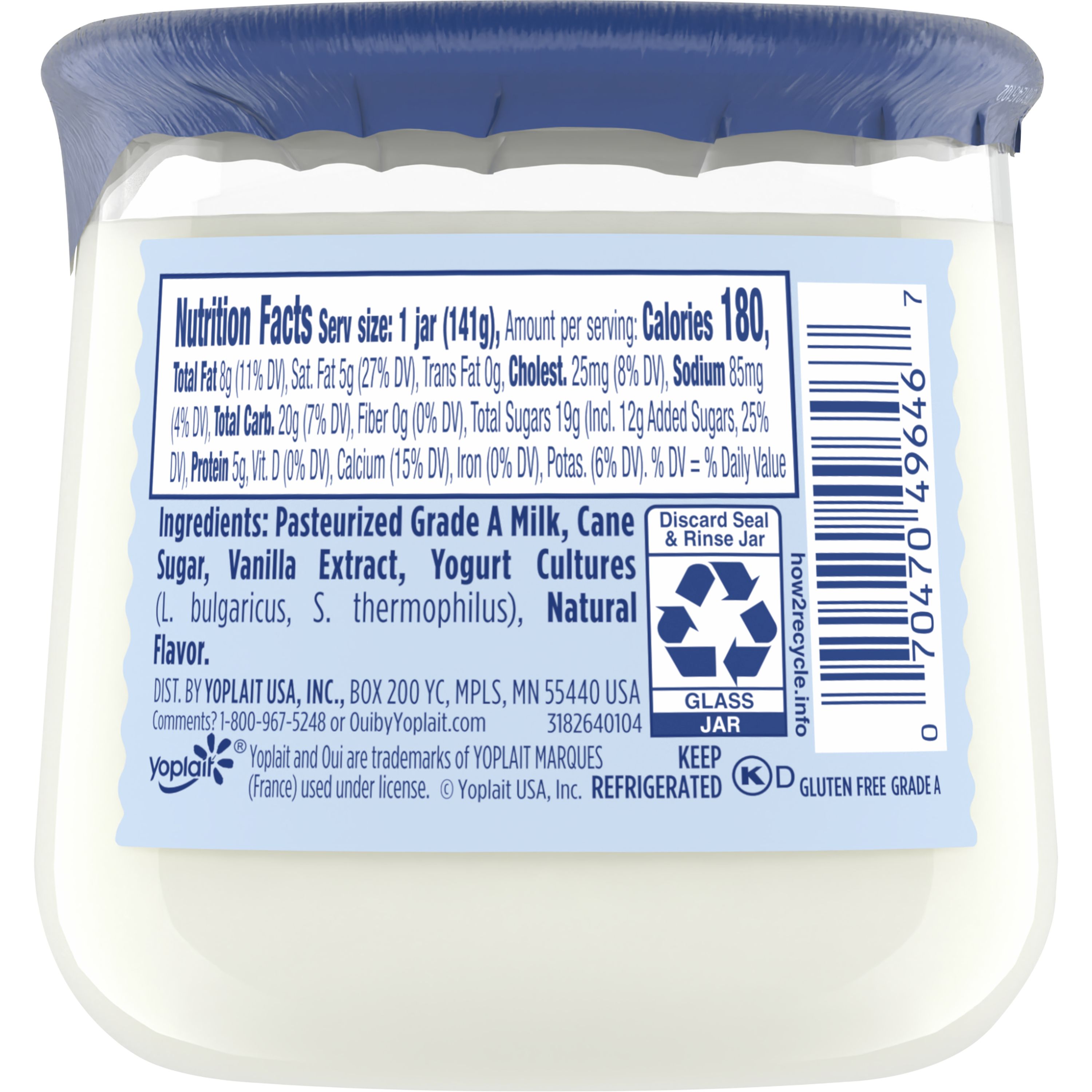
Vanilla French Style Yogurt - Flavors - Oui by Yoplait
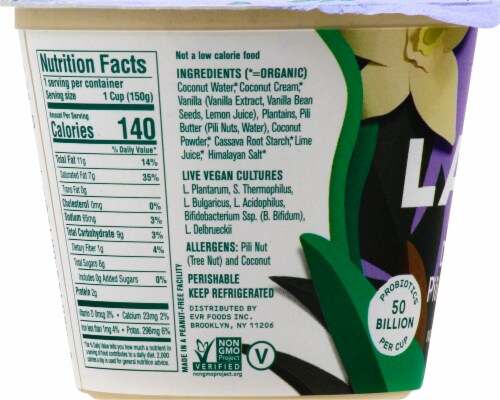
Lavva Vanilla Plant-Based Yogurt, 5.3 oz - Ralphs

SmartLabel - PLAIN GREEK NONFAT YOGURT - 021130079285
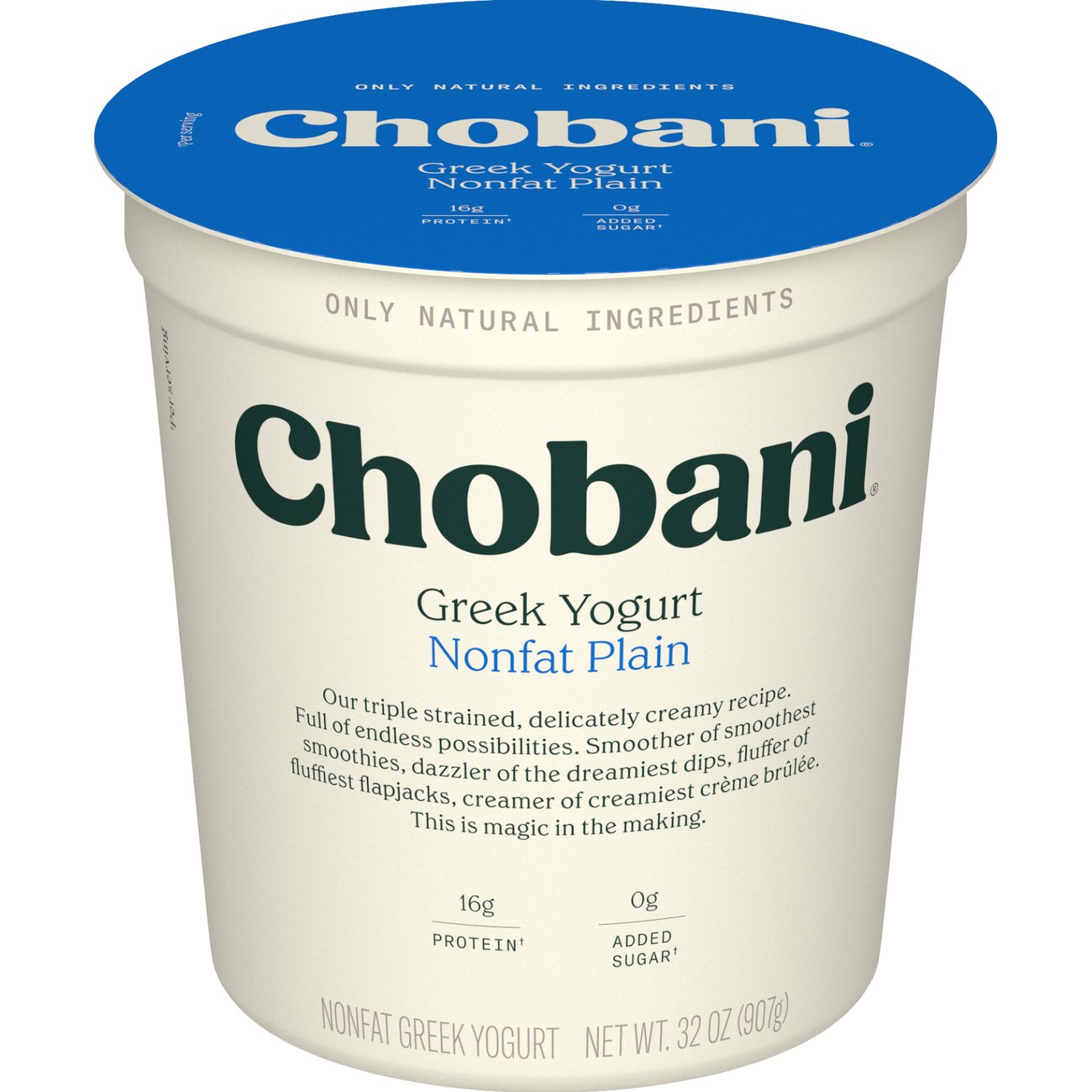
Chobani Non-Fat Plain Greek Yogurt - Shop Yogurt at H-E-B
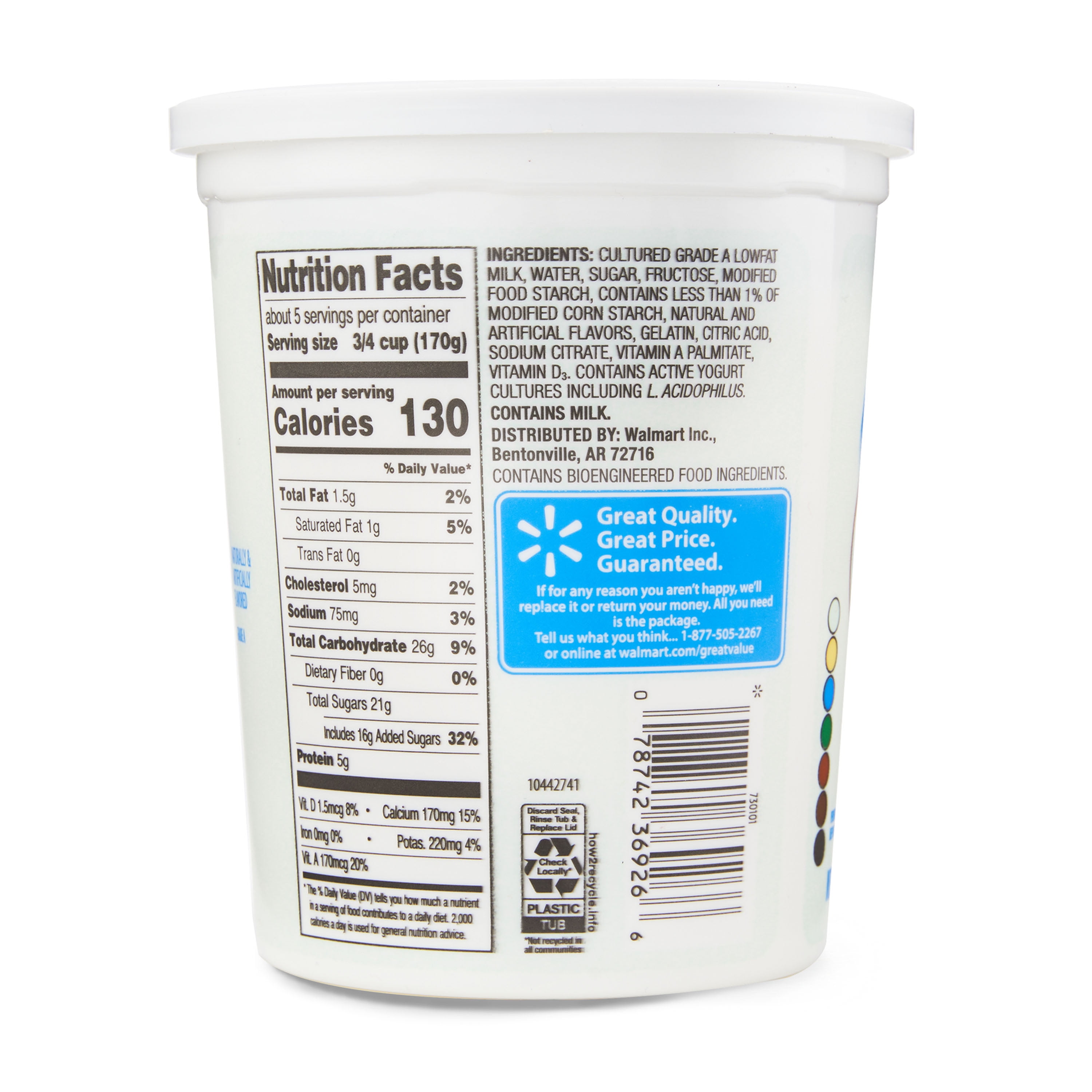
Great Value Original Vanilla Lowfat Yogurt, 32 oz
What's in your Yogurt? And What's NOT in Maple Hill Creamery ...

Vanilla Bean Greek Yogurt at Whole Foods Market


Komentar
Posting Komentar